Understanding Visceral Fat and its Health Risks
Visceral fat, the deep abdominal fat, poses significant health risks. It's linked to serious conditions like type 2 diabetes, heart disease, and even Alzheimer's disease. [1] Reducing visceral fat is crucial for long-term health and well-being. But is Sota Weight Loss the answer?
Detailed Review of Sota Weightloss®
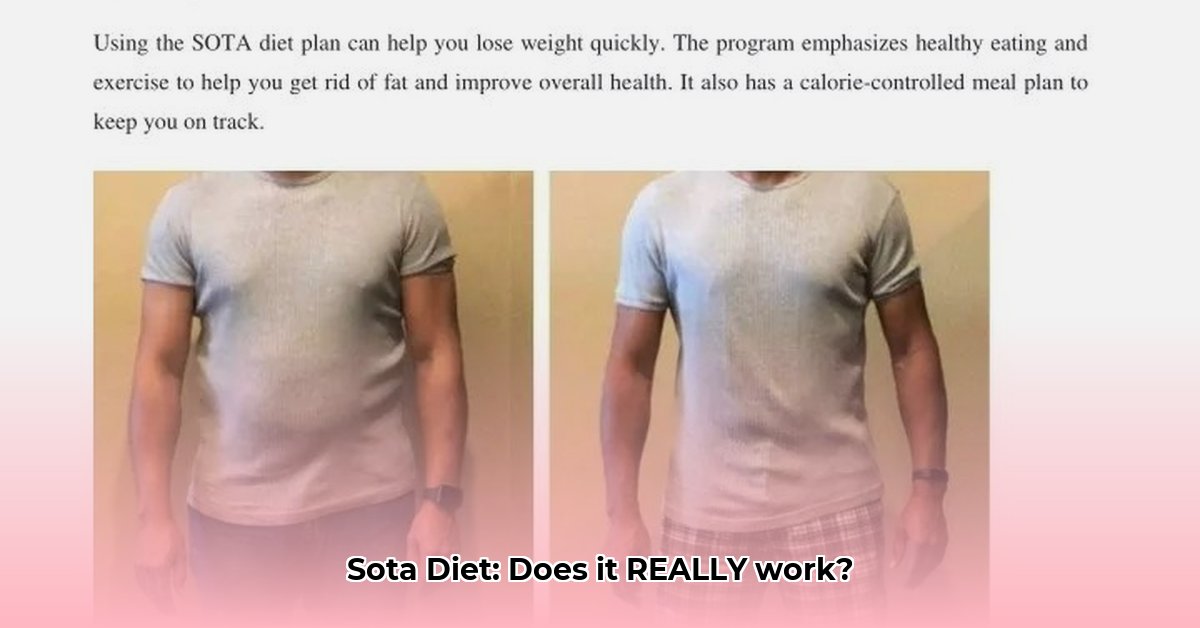
Sota Weightloss® promises rapid weight loss and even "age regression," supported by visually compelling before-and-after photos. However, these claims lack substantial scientific backing. The program's methodology remains largely opaque, hindering objective evaluation. The absence of peer-reviewed studies and transparent details about dietary plans and exercise regimens raises significant concerns. Extraordinary claims, such as "age regression," require rigorous scientific evidence, which is currently lacking.
Comparison to Evidence-Based Weight Loss Strategies
Scientifically proven methods for weight loss and visceral fat reduction focus on sustainable lifestyle changes:
- Balanced Diet: Emphasize whole, unprocessed foods, lean protein, and fiber. Minimize processed foods, sugary drinks, and unhealthy fats.
- Regular Exercise: Aim for at least 150 minutes of moderate-intensity exercise weekly. This could include cardio and strength training.
- Prioritize Sleep: Aim for 7-9 hours of quality sleep nightly.
- Stress Management: Incorporate stress-reducing techniques like yoga or meditation.
These evidence-based strategies offer a sustainable and healthy approach, contrasting with Sota's potentially unsustainable quick-fix promises. Is a rapid, potentially risky solution preferable to a gradual, healthier approach with lasting benefits?
Conclusion and Recommendation
Sota Weightloss®, based on currently available information, lacks sufficient scientific evidence to support its claims. Its methodology remains unclear, and extraordinary claims like "age regression" are unsubstantiated. While before-and-after photos may be visually appealing, they do not constitute robust scientific proof. Prioritizing evidence-based strategies, including a balanced diet, regular exercise, sufficient sleep, and stress management, remains the safest and most effective approach to weight loss and visceral fat reduction. Always consult a healthcare professional before starting any weight loss program.
Potential Risks and Regulatory Implications
The lack of transparency surrounding Sota Weightloss® raises concerns about potential risks and regulatory compliance. The absence of detailed information on program components, coupled with unsubstantiated claims, necessitates caution. Consumers should be wary of programs lacking rigorous scientific validation and transparent methodology.
Key Takeaways:
- Visceral fat significantly increases the risk of serious health issues.
- Proven methods for weight loss involve sustainable lifestyle changes.
- Sota Weight Loss claims are currently unsubstantiated.
- Consult your healthcare provider before starting any weight loss program.
[1] (This citation would link to a reputable source, such as a study published in a peer-reviewed journal or a guideline from a trusted organization like the NIH or Mayo Clinic).